Out of over 900 universities from 55 different countries, Rockefeller tops a survey measuring the impact of university research publications, scoring the highest percentage of frequently cited scientific publications.
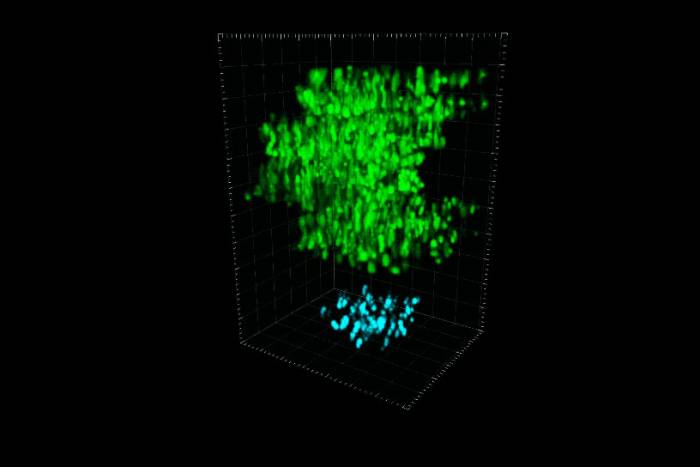
A new imaging tool makes it possible to track the firing of millions of brain cells in mice while the animals move about as normal. The method could help shed new light onto the neural processes that create behavior.
Ravetch receives the award for his groundbreaking work analyzing the immune system’s antibody response. He has worked for decades on the Fc fragment of the antibody molecule and its binding partners, known as Fc receptors.
Scientists have developed a new strategy to study the cells that host hidden reserves of dormant HIV, a step that may lead to new treatments that go beyond controlling the infection and instead aim to eradicate the virus entirely.
A chemical inhibitor targeting basal cell carcinoma, originating from Tarun Kapoor’s lab, is graduating from the Tri-Institutional Therapeutics Discovery Institute into Bridge Medicines.
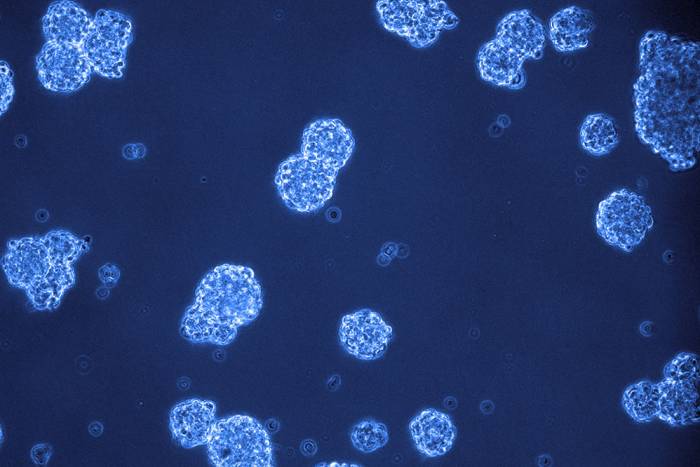
Among other superpowers, stem cells have a knack for fending off viruses like dengue and zika. Scientists have gained new insight into these curious defense strategies—knowledge they say could fuel the development of drugs against a range of diseases.
Thorne is recognized for his deft explanations that have drawn readers into the space-, time-, and mind-bending realm of Einstein’s ideas. The prize, which honors scientists as inspirational authors, will be presented on April 17.
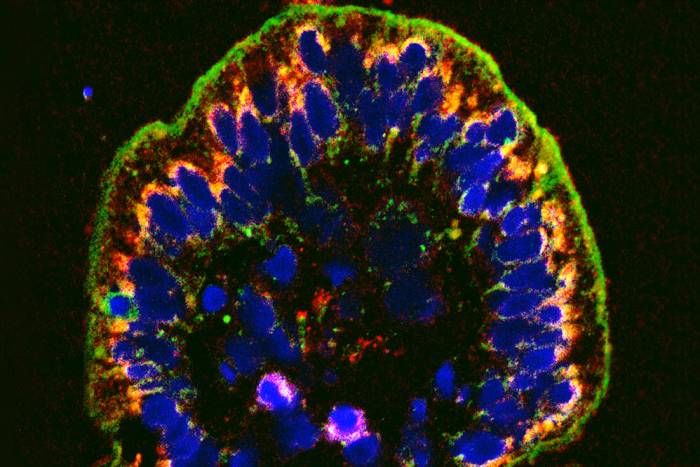
Scientists have discovered a curious way for cells to die. In studying it, they are learning about how remnants of diseased cells are normally chewed up and removed.
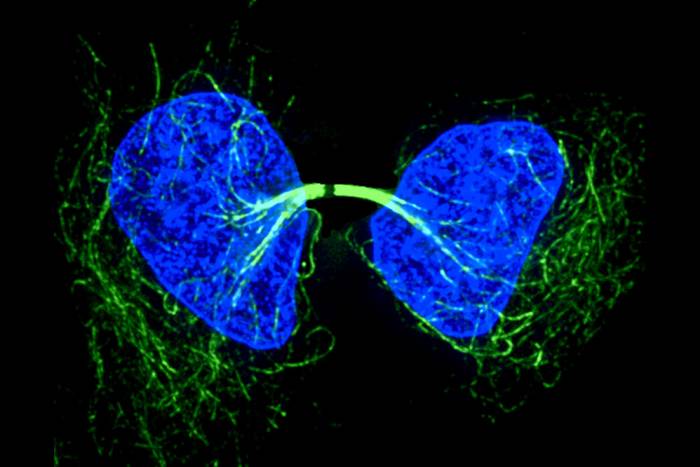
The gateway to cellular headquarters has 552 components. A new map that shows how all these pieces fit together could help scientists study numerous diseases.