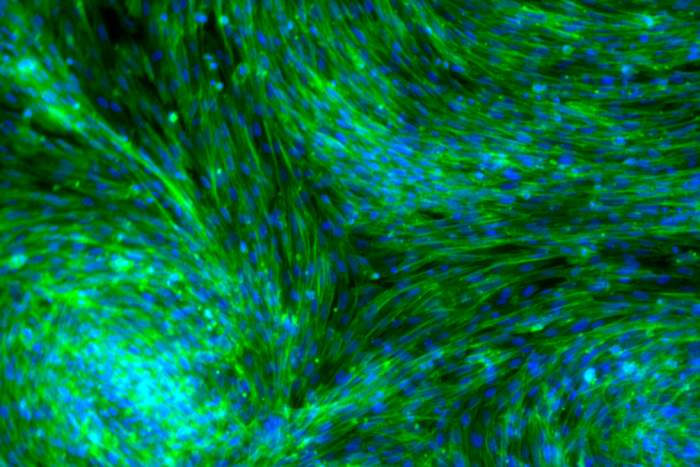
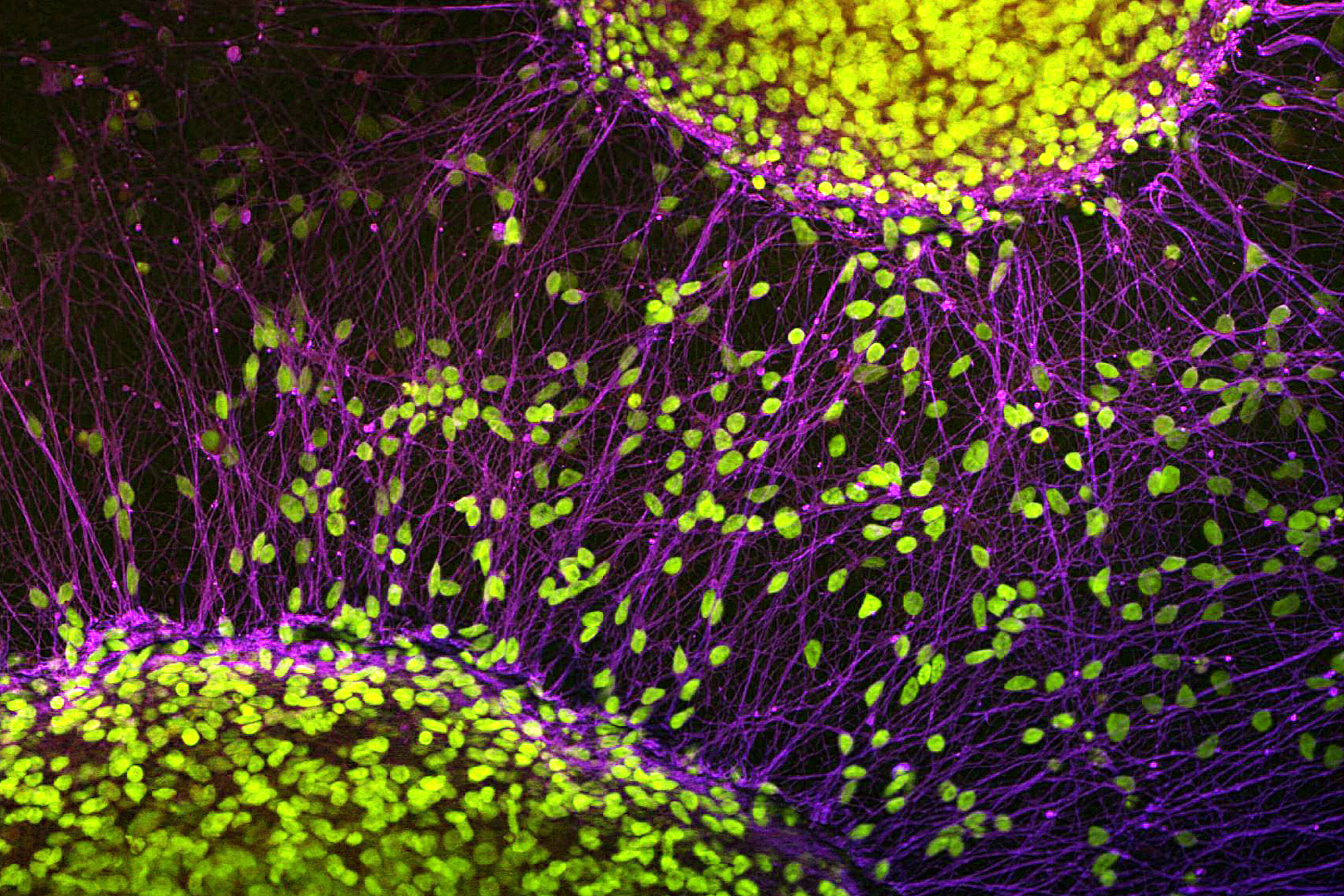
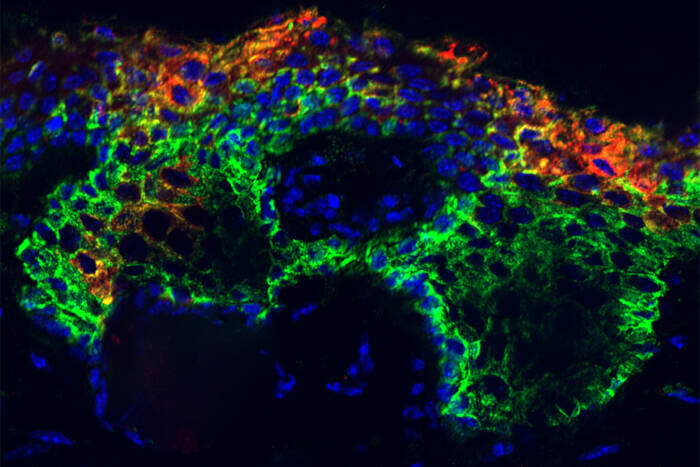
By focusing on the emergent features of cell collectives, instead of individual cells, scientists forge a new path for understanding how organs develop their architecture.
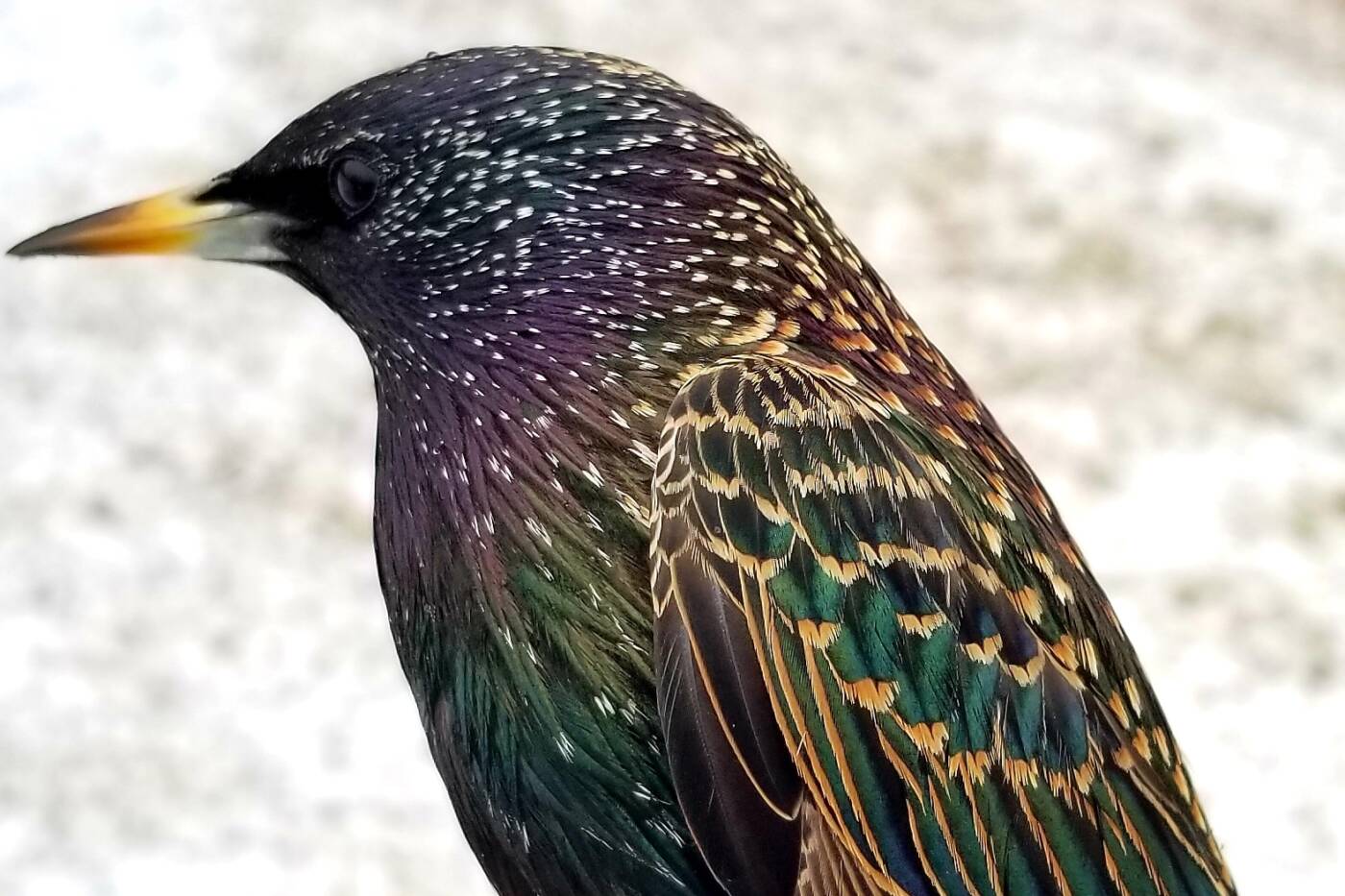
From plumbing the depths of wound repair to tackling how songbirds solve problems, here are some fascinating discoveries that came out of Rockefeller in 2023.
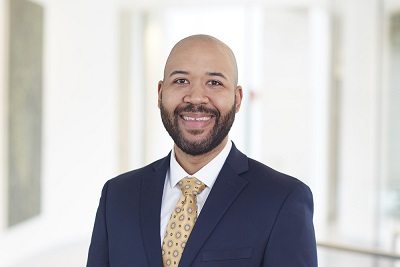
Carlo Yuvienco, the inaugural director of the university’s new Ford Center Incubator, on how the new space will help translate research breakthroughs into market-ready biomedical innovations.
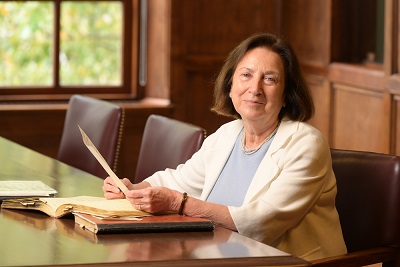
Mojsov’s research directly led to blockbuster drugs like Ozempic and Wegovy. She talks about the long quest for proper credit and lessons that can be learned from her experience.
“I believe this is going to be a very fruitful find. Every time people have studied nutrient sensing, we’ve learned a lot about biology, and many drugs have been developed as a result.”
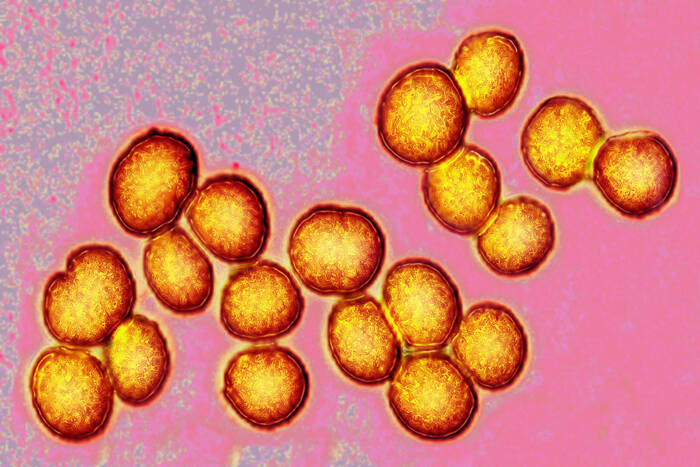
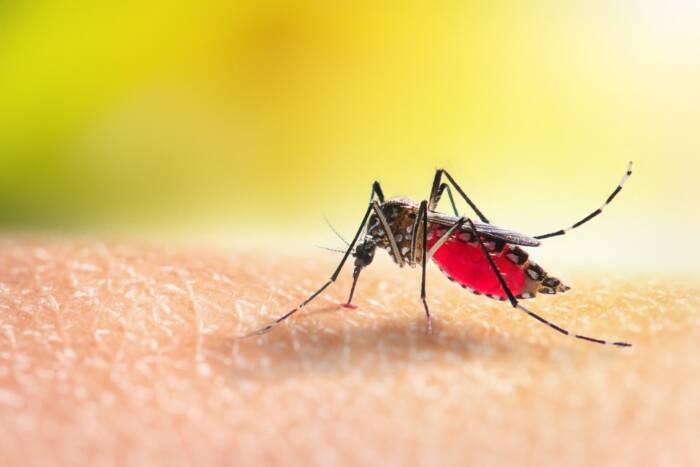
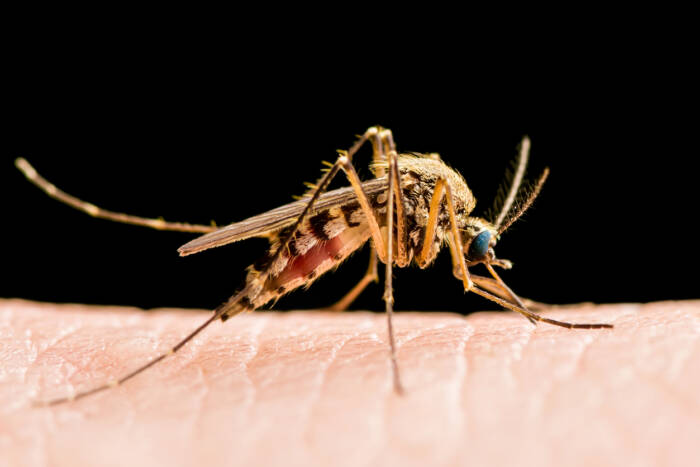
Why do our bodies not only fail to learn from prior dengue infection but also become more vulnerable to it as a result? New research pinpoints a subgroup of antibodies that may be to blame.
Jan and Marder, who have both made fundamental contributions to neurobiology, were presented with the award in a ceremony on The Rockefeller University campus on September 20.
As with many cutting-edge therapies, we know more about the drug's effectiveness than we do about how it actually operates. A new study reveals a possible mechanism for its impact on patients.
Patients with a specific cocktail of COVID exposure had the highest level of antibodies against SARS-CoV-2 and its variants, which also provided a strong immunological shield for their babies.
Sponsored by the Office for Diversity, Equity, and Inclusion, the event brought together land stewards from across the city in an effort to make soil science more accessible to the local community.
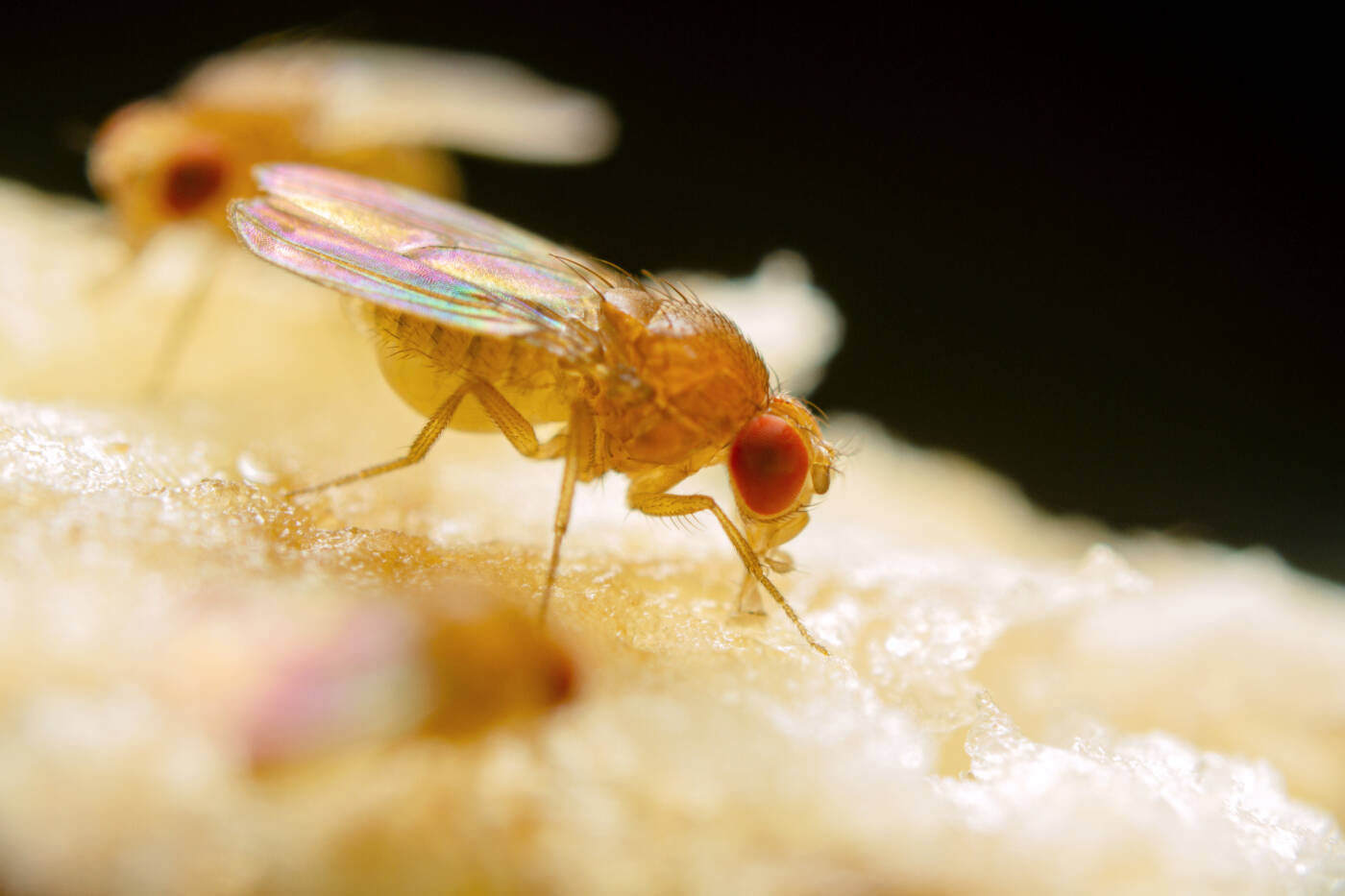
One clever way to observe the neural activity of Drosophilae: build them a custom fly treadmill and tempt them with the tangy perfume of apple cider vinegar.
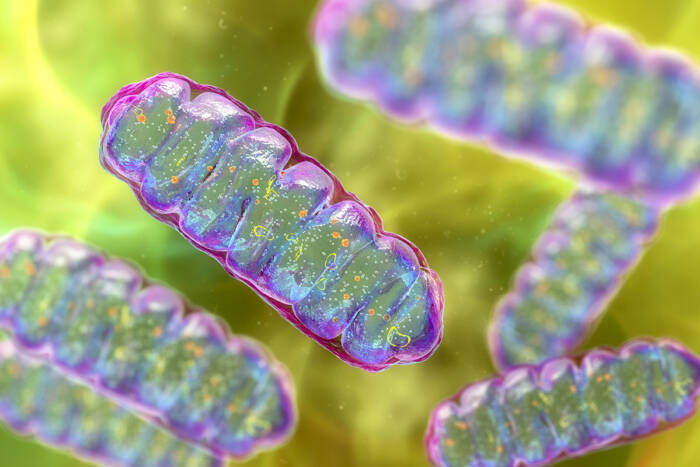
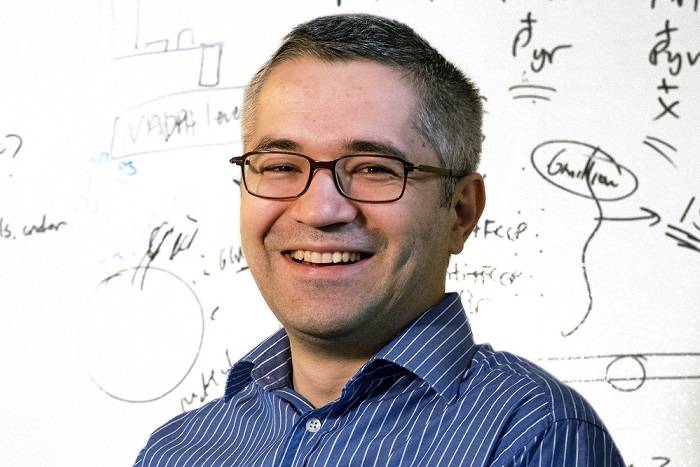
Birsoy is honored for groundbreaking research uncovering metabolic weaknesses of diseased cells, such as cancer, while shedding light on debilitating mitochondrial diseases and rare genetic disorders.
With 40% of encephalitis cases now explained by an autoimmune deficiency, West Nile virus "is by far the best understood human infectious disease in the world. It’s stunning.”
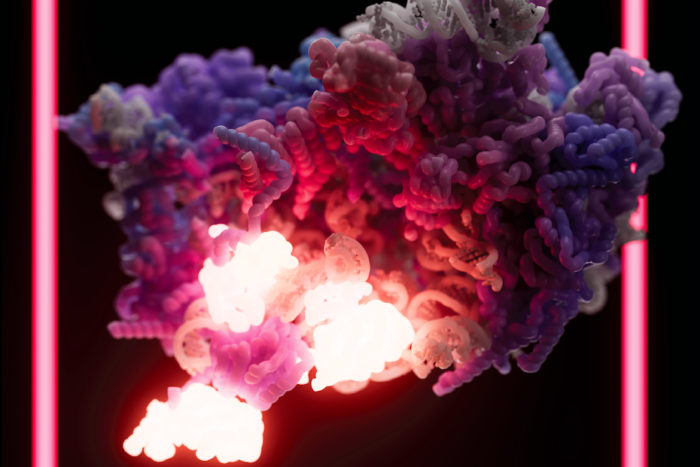
Gregory Alushin reveals fundamental truths about cellular biomechanics by studying how the wiggly protein strands known as actin filaments bend and flex, crisscross each other, and have tugs of war.
They identified a brain signal that guides one type of decision-making—findings that could build a foundation for understanding how humans make educated and strategic decisions.
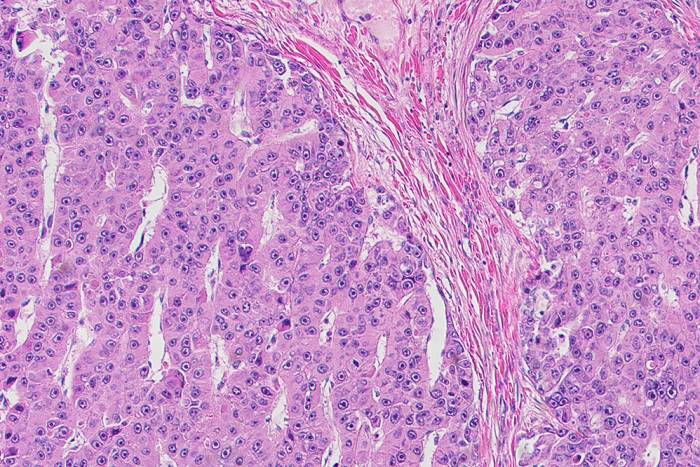
Fibrolamellar carcinoma not only hinders the body's ammonia consumption but also produces ammonia, a finding with sweeping implications for treating this cancer—and the study of ammonia metabolism.
According to the 2023 CWTS Leiden Ranking of over 1,400 universities from 72 countries, Rockefeller has the highest percentage of most frequently cited scientific publications.